

Customer CRM & Loyalty Platform That Turned Anonymous Shoppers into Repeat Buyers Across 8 Stores
The retailer transformed its relationship with its customer base from anonymous transactions to recognized, personalized interactions across all eight stores. What had been a company running eight disconnected shops became a unified retail brand with a living view of 15,800 unique customer profiles, a tiered loyalty program rewarding natural shopping behavior, and AI-powered outreach that drove measurable repeat purchase rates. Customers who had once been invisible to the business now received personalized offers grounded in their actual purchase history, turning one-time visitors into loyal, high-value buyers.
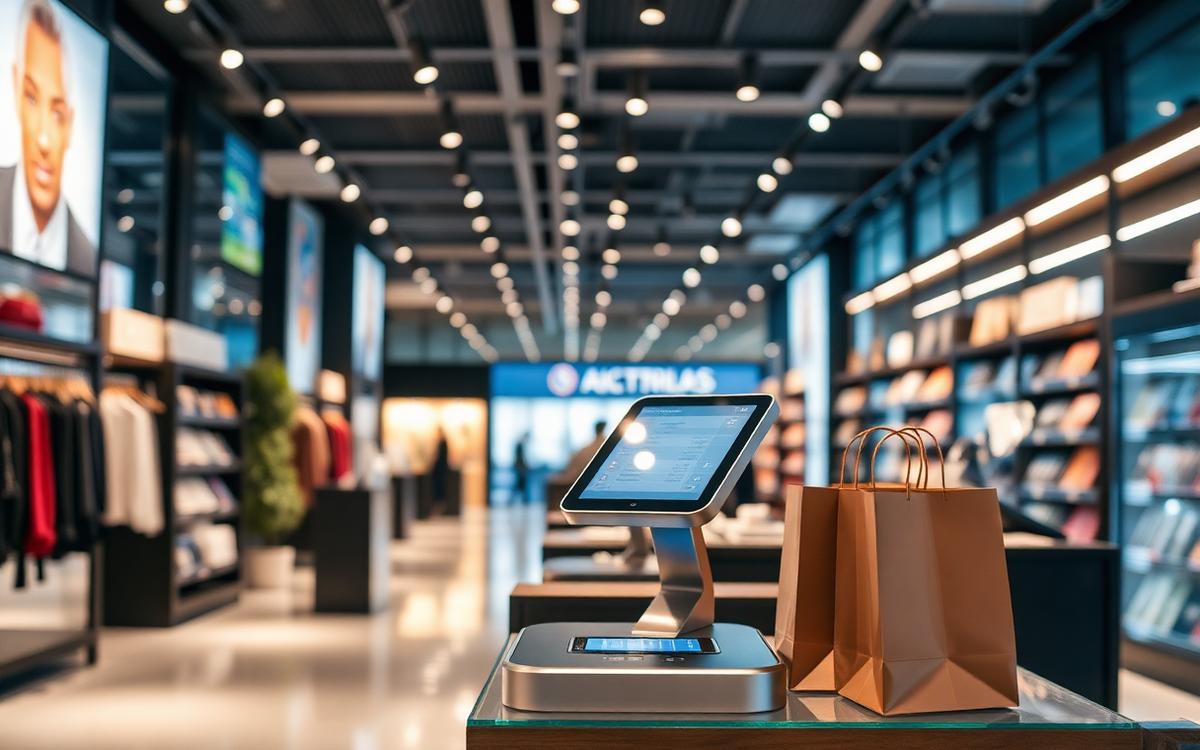
A multi-location specialty retailer selling home furnishings across eight stores had built a loyal local following over twelve years of operation but had no unified view of its customer base. Each store operated its own point-of-sale system, maintained its own informal customer lists, and ran its own promotions with no coordination. The company had strong foot traffic and healthy revenue, but leadership had no idea who their best customers were, how often they returned, or what drove purchase decisions across locations.
The retailer's sixty-five employees interacted with thousands of shoppers each month, yet the company could not answer basic questions: How many customers shop at more than one location? What is the average time between purchases? Which product categories drive repeat visits? Without this data, marketing was reduced to blanket discounts and seasonal sale events that eroded margins without building lasting customer relationships.
JSG was engaged to design and deploy a unified CRM and loyalty platform that would consolidate customer data across all eight stores, enable segmented loyalty programs, and power personalized outreach that turned one-time visitors into repeat buyers.
Client: Multi-location specialty retailer focused on home furnishings, operating 8 stores across a regional metropolitan area. Twelve years in operation with strong community brand recognition and consistent foot traffic but no centralized customer data strategy.
Employee Size: 65 employees
Industry: Retail & E-Commerce
Services: - Customer Data Unification & Identity Resolution - Segmented Loyalty Program Design & Deployment - Personalized Marketing Outreach Automation - Purchase History Tracking & Customer Lifecycle Analytics
The retailer had grown organically over twelve years, opening new stores as opportunities arose without ever establishing a centralized customer data infrastructure. Each location operated as a semi-independent unit with its own POS terminal, its own paper sign-up sheets for mailing lists, and its own informal approach to recognizing returning customers. What worked when the company had two stores became unmanageable at eight.
First, customer identity was fragmented beyond recognition. A customer who shopped at the downtown flagship and the suburban location appeared as two completely separate people in the company's records. Staff at different stores had no way to see that a customer had purchased a dining set at one location and was now browsing complementary pieces at another. The company estimated it had 28,000 customer records across all locations, but after a preliminary audit, leadership suspected the actual unique customer count was closer to 16,000, with the rest being duplicates spread across disconnected systems.
Second, the retailer had no loyalty program infrastructure. Management had discussed launching a loyalty program for years but had never moved forward because they lacked the data foundation to support it. Without unified purchase histories, they could not define meaningful loyalty tiers, calculate customer lifetime value, or design rewards that reflected actual shopping behavior. Previous attempts to run punch-card style programs at individual stores had fizzled within weeks due to inconsistent staff enforcement and customer confusion.
Third, marketing efforts were generic and margin-destructive. The marketing manager sent the same promotional email blast to the entire mailing list regardless of purchase history, product preference, or recency. The company's primary promotional lever was a store-wide 20% discount event held quarterly, which trained customers to wait for sales rather than purchase at full price. Email open rates had declined to 11%, and the marketing team had no segmentation capability to test different approaches.
Fourth, the company had no visibility into customer lifecycle patterns. Leadership could not identify which customers were at risk of lapsing, which product categories generated cross-sell opportunities, or which store locations served as entry points for long-term relationships. Purchasing decisions were based on vendor relationships and gut instinct rather than demand data tied to customer behavior.
The retailer needed:
- A single customer database consolidating records from all 8 POS systems with duplicate resolution
- A tiered loyalty program that incentivized repeat visits and higher basket values
- Automated, personalized outreach based on purchase history and customer segments
- Dashboards showing customer lifetime value, retention rates, and cross-store shopping patterns
- Integration with existing POS systems without disrupting daily store operations
JSG designed and deployed a unified CRM and loyalty platform for the retailer that consolidated customer data across all eight locations, established a tiered loyalty program, and enabled AI-powered personalized outreach at scale.
Key Components
Customer Data Unification Engine The TMX platform served as the central CRM, ingesting customer records from all eight POS systems and applying identity resolution logic to merge duplicate profiles. The system matched records using name, email, phone number, and purchase address with fuzzy matching to handle misspellings and formatting variations. The initial consolidation reduced 28,000 fragmented records to 15,800 unique customer profiles, each with a complete cross-store purchase history.
AI-Driven Customer Segmentation Azure OpenAI analyzed the unified purchase data to automatically segment customers into behavioral clusters -- high-value repeat buyers, seasonal-only shoppers, single-purchase visitors at risk of lapsing, cross-store loyalists, and category-specific enthusiasts. These segments updated dynamically as new purchase data flowed in, giving the marketing team a living view of their customer base rather than a static list.
Tiered Loyalty Program JSG designed a three-tier loyalty program (Welcome, Preferred, VIP) with tier advancement based on rolling 12-month spend thresholds. Each tier carried specific benefits -- early access to new collections, birthday rewards, and percentage-based earn rates that increased with tier level. The program was designed to reward natural shopping behavior rather than requiring customers to change habits, reducing adoption friction.
Personalized Offer Generation Azure OpenAI generated personalized product recommendations and offer copy for each customer segment. A customer who had purchased a sofa six months ago received a targeted offer for complementary accent pillows, while a lapsed VIP customer received a win-back message featuring new arrivals in their preferred category. Each recommendation was grounded in actual purchase data, not generic inventory promotion.
Automated Campaign Orchestration N8N workflows automated the entire campaign lifecycle -- loyalty tier advancement notifications, birthday reward delivery, post-purchase follow-ups, lapsed customer re-engagement sequences, and seasonal campaign triggers. Campaign timing, channel selection (SMS via Twilio or email via SendGrid), and offer content were all driven by customer segment and individual behavior.
Cross-Store Analytics Dashboard A real-time dashboard gave leadership visibility into customer lifetime value by segment, loyalty program adoption rates, cross-store shopping frequency, repeat purchase intervals, and campaign performance metrics. Store managers received weekly digest reports showing their location's top customers, at-risk accounts, and loyalty tier distribution.
## Quantifiable Impact
- Repeat purchase rate increased 30%, from 22% to 28.6% of customers making a second purchase within 90 days
- Customer database consolidated from 28,000 fragmented records to 15,800 verified unique profiles across all 8 stores
- Loyalty program adoption reached 43% of active customers within the first four months
- Average basket size increased 18%, from $127 to $150, driven by personalized cross-sell recommendations
- Email open rates improved from 11% to 34% after segmentation replaced blanket blasts
- Quarterly discount event dependency reduced -- full-price sales as a percentage of total revenue increased from 61% to 74%
- Platform: TMX (CRM engine, loyalty program management, customer data unification)
- Cloud: Microsoft Azure
- Database: Azure SQL
- AI & Automation: Azure OpenAI (customer segmentation, personalized offer generation, product recommendation engine)
- Workflow Orchestration: N8N (campaign trigger automation, loyalty tier advancement workflows, post-purchase sequences, lapsed customer re-engagement)
- Communication: Twilio (SMS loyalty notifications and offers), SendGrid (personalized email campaigns and transactional messages)
- Integrations: 8 POS system data feeds, customer identity resolution service
- Analytics: Power BI (customer lifecycle dashboards, loyalty program performance, cross-store behavior analysis)
Ready to Modernize Your Business?
Let's talk about where technology can move the needle first.