

AI-Powered Knowledge Management System That Made a Consulting Firm's Institutional Expertise Searchable for the First Time
The consulting firm transformed a decade of scattered, inaccessible project history into a living knowledge base that actively supports every aspect of the business — from proposal development to project delivery to talent development. With over 47,000 documents ingested, semantically indexed, and made searchable through natural language queries, consultants can now find relevant prior work, frameworks, and subject matter experts in minutes rather than days, compressing proposal timelines and accelerating onboarding for new hires. The system also addressed the firm's most pressing strategic risk: the institutional knowledge held by senior partners approaching retirement is now captured, searchable, and available to the entire organization rather than walking out the door.
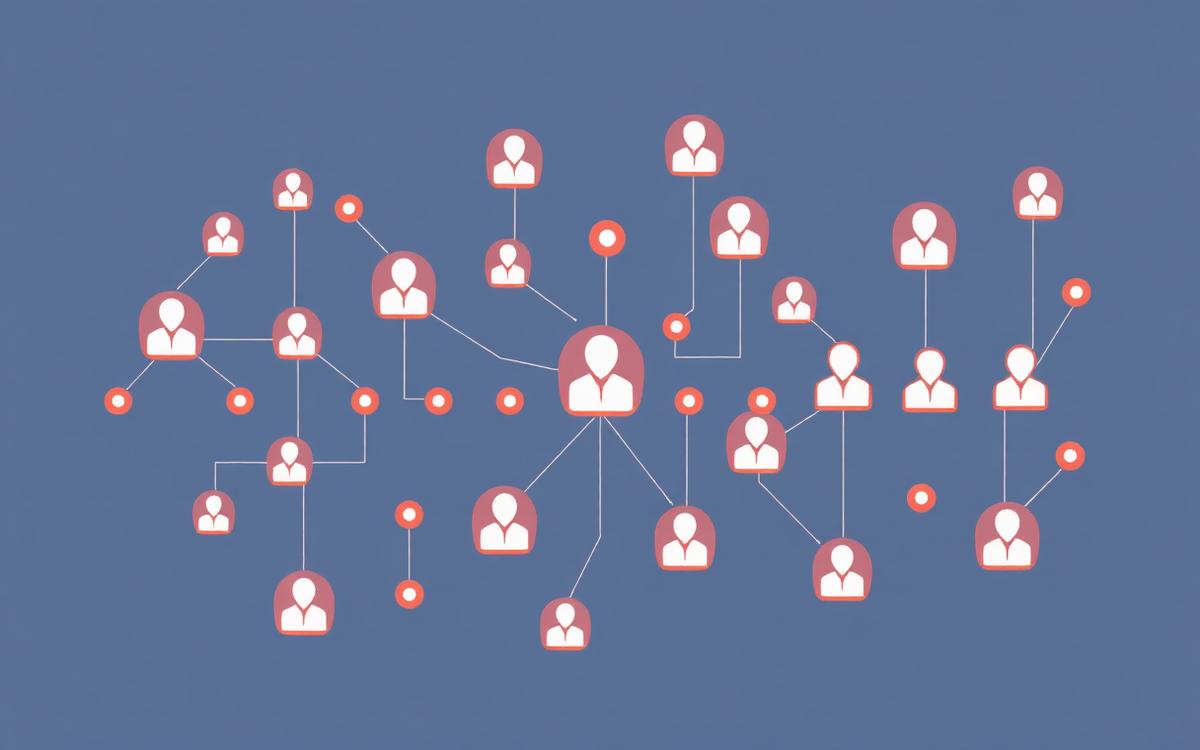
A management consulting firm with 10 years of project history and over 500 completed engagements had a knowledge problem that grew worse with every departing employee. Proposals took weeks to write because consultants could not find prior work. New hires spent months developing expertise that already existed in the firm's collective experience. Partners answered the same questions repeatedly because there was no system to capture and distribute what the firm already knew.
The firm's intellectual capital -- frameworks, deliverables, client presentations, research, project post-mortems -- was scattered across shared network drives, individual email inboxes, personal laptops, and the memories of senior consultants. A partner estimated that 60% of the firm's institutional knowledge lived in the heads of five people, and three of those people were within five years of retirement. Two senior consultants had left in the prior year, and the firm had no systematic way to capture what they knew before they walked out the door.
JSG was engaged to design and deploy an AI-powered knowledge management system that would ingest the firm's 10-year document archive, make it searchable through natural language queries, and establish workflows to continuously capture new knowledge as it was created.
Client: Management consulting firm specializing in operational improvement, organizational design, and strategic planning for mid-market and Fortune 500 clients. Ten years in operation with deep domain expertise across manufacturing, healthcare, and financial services verticals.
Employee Size: 45 employees (6 partners, 15 senior consultants, 12 analysts, 6 researchers, 6 operations and administrative staff)
Industry: Professional Services -- Management Consulting
Services: - AI-Powered Knowledge Base Design & Deployment - Document Ingestion, Tagging & Summarization - Semantic Search & Expert Finder - Institutional Memory Preservation
The firm's knowledge management problem was not new -- partners had discussed it at annual retreats for years -- but it had reached a critical inflection point where the cost of inaction was measured in lost revenue, duplicated effort, and competitive disadvantage.
First, proposal development was painfully slow and reinvented the wheel on every engagement. When a partner needed to respond to an RFP, the typical process involved emailing colleagues to ask "have we done anything like this before," searching shared drives with keyword guesses, and ultimately writing substantial portions of the proposal from scratch. Partners estimated that 40% of proposal content could be drawn from prior deliverables, but finding that content took longer than creating it new. The firm's average proposal development time was 62 hours, with a win rate of 28% -- numbers that reflected both the inefficiency and the quality cost of not leveraging past work.
Second, the document archive was a disorganized mass of files with no consistent structure. Ten years of work product lived across four shared drives, organized differently by each practice area. Folder names were inconsistent, file naming conventions varied by team, and metadata was sparse. A search for "healthcare operational assessment" might return zero results even though the firm had completed a dozen such engagements, because the relevant deliverables were filed under client names, project codes, or date-based folders with no topical indexing.
Third, expertise discovery across the firm was entirely relationship-based. When a consultant needed guidance on an unfamiliar industry or methodology, they asked colleagues they knew personally. In a 45-person firm with six offices spanning three time zones, this meant that expertise was invisible across teams. Junior consultants in one office had no way to discover that a senior consultant in another office had deep experience in exactly the domain they were struggling with. The firm's utilization data showed that certain specialists were overbooked while others with similar capabilities were underutilized, largely because their expertise was not known firm-wide.
Fourth, knowledge loss from turnover was accelerating. The firm's voluntary turnover rate of 18% was typical for consulting, but each departure took institutional knowledge with it. The two senior consultants who left in the prior year had collectively led over 80 engagements. Within months of their departure, the firm received an RFP in one of their specialty areas and realized it could not locate the frameworks, templates, or lessons learned from $4 million worth of prior project work. The proposal team spent three weeks reconstructing what had taken years to develop.
Fifth, new hire ramp-up was slow and inconsistent. It took an average of nine months for a new analyst to become fully productive, partly because there was no structured way to learn from the firm's collective experience. Onboarding consisted of shadowing senior consultants and reading whatever documents a mentor thought to share. The quality and relevance of this informal knowledge transfer varied dramatically based on the mentor's personal organization and willingness to invest time.
The firm needed:
- A searchable knowledge base covering 10 years and 500+ engagements of project history
- AI-powered document tagging and summarization to make the archive navigable
- Semantic search that understood consulting concepts, not just keyword matching
- An expert-finder that mapped people to capabilities across the firm
- Workflows to capture new knowledge continuously rather than letting it accumulate in silos
JSG designed and deployed an AI-powered knowledge management system that transformed the firm's scattered document archive into a searchable, continuously updated institutional knowledge base.
Key Components
Document Ingestion & Processing Pipeline N8N orchestrated the bulk ingestion of the firm's 10-year document archive -- over 47,000 files across shared drives, email archives, and project repositories. Each document passed through a processing pipeline that extracted text, identified document type (proposal, deliverable, presentation, research memo, post-mortem), and normalized metadata. The pipeline handled PDFs, Word documents, PowerPoint presentations, Excel workbooks, and email threads, processing the full archive in under three weeks.
AI-Powered Auto-Tagging & Summarization Azure OpenAI analyzed each document and generated structured tags across multiple dimensions: industry vertical, service area, methodology, client size, engagement type, and key topics. The system also produced concise summaries of each document -- a 60-page operational assessment report was distilled to a 200-word summary capturing the client context, approach, key findings, and recommendations. Tags and summaries were stored as searchable metadata, making the archive navigable by concept rather than file name.
Semantic Search Engine Azure Cognitive Search, enhanced with Azure OpenAI embeddings, powered a natural language search interface. Consultants could ask questions like "healthcare supply chain cost reduction for mid-market hospitals" and receive ranked results drawing from deliverables, proposals, frameworks, and research across the entire archive. The search understood synonyms, related concepts, and domain-specific terminology, returning relevant results even when documents used different language to describe the same work.
Expert Finder The system mapped every consultant to their areas of expertise based on their project history, authored documents, and self-declared capabilities. When a user searched the knowledge base, the results included not just documents but also the people who had the most experience in that area. The expert finder showed each person's relevant project history, published deliverables, and current availability, enabling cross-office collaboration that had previously depended on personal networks.
Project Template Library The system curated the firm's best deliverables into a searchable template library organized by engagement type and industry. When a consultant started a new project, they could browse templates drawn from the firm's highest-rated prior engagements, complete with structure, frameworks, and sample content. Templates were rated by peers and updated when superior examples were produced.
Weekly Knowledge Digest N8N automation generated a weekly digest email for all consultants highlighting newly added documents, trending search topics, and recently completed engagements. The digest surfaced knowledge that consultants might not have thought to search for, creating serendipitous discovery of relevant work across the firm.
## Quantifiable Impact
- 10 years and 47,000+ documents of project history made searchable with 94% tagging accuracy
- Average proposal development time reduced from 62 hours to 35 hours, a 44% improvement
- Proposal win rate improved from 28% to 37%, attributed partly to higher-quality proposals leveraging proven frameworks
- New hire ramp-up time shortened from 9 months to 5.5 months average, based on manager assessments of productivity milestones
- Cross-office collaboration requests increased by 340% in the first quarter, measured by expert finder usage and resulting project staffing changes
- Knowledge retrieval time dropped from an average of 3.2 hours per search effort to under 8 minutes
- Frontend: React (knowledge portal with search interface, expert profiles, template library)
- Backend: Node.js with Express
- Cloud: Microsoft Azure
- Database: Azure SQL, Azure Blob Storage (document archive)
- AI & Search: Azure OpenAI (document summarization, auto-tagging, semantic embeddings), Azure Cognitive Search (full-text and vector search)
- Workflow Orchestration: N8N (document ingestion pipeline, weekly knowledge digest generation, knowledge transfer manifest automation)
- Integrations: SharePoint (shared drive connector), Exchange (email archive connector), firm project management system
Ready to Modernize Your Business?
Let's talk about where technology can move the needle first.