

AI-Powered CRM & Scheduling Platform Increased Booked Jobs by 35% for a Mid-Sized HVAC Company
The company successfully evolved from a manual, operations-heavy business into a technology-enabled service provider capable of handling growing demand without a proportional increase in overhead. By automating intake, scheduling, and customer communication through a centralized CRM platform, the team reduced coordination time, improved route efficiency, and increased booked jobs by 35%. With real-time performance dashboards in place, leadership gained the visibility needed to make data-driven decisions and scale operations confidently.
A mid-sized HVAC company operating in a competitive regional market was experiencing rapid growth in service demand but lacked the systems to support it. Their operations relied heavily on manual processes, creating inefficiencies in scheduling, customer management, and job tracking.
As service requests increased week over week, the company needed a scalable solution to streamline operations, improve response time, and unlock growth without significantly increasing overhead.
Client: A mid-sized HVAC service company
Employee Size: 8–15 employees
Industry: HVAC, Electrical & Plumbing
Services: - Custom Software Development - AI Automation & Workflow Design - CRM System Development - Cloud Infrastructure
The company’s growth exposed several critical operational gaps that were limiting its ability to scale.
All customer intake was handled manually through phone calls and emails, creating delays in response time and increasing the risk of missed opportunities. During peak hours, staff were unable to keep up with incoming requests, resulting in lost revenue and inconsistent customer experiences.
Scheduling was another major bottleneck. Dispatching technicians required constant back-and-forth communication, manual coordination, and guesswork around availability and location. This often led to inefficient routing, underutilized technicians, and scheduling conflicts.
Additionally, the company lacked a centralized system to track customer history, job status, and service records. Information was fragmented across different tools and conversations, making it difficult to maintain consistency or provide a high level of service.
From a leadership perspective, there was little visibility into performance. The team had no reliable way to measure key metrics such as job volume, technician efficiency, or revenue trends. Without data, decision-making was reactive rather than strategic.
The company needed a solution that would: - Automate intake and scheduling - Centralize operations - Improve response times - Provide real-time visibility - Support long-term scalability
JSG designed and implemented a custom, cloud-based CRM and automation platform tailored specifically to the company’s workflow and operational needs.
Key Components
Smart Intake System A structured online booking system replaced manual intake, capturing all necessary job details upfront. Requests were automatically categorized and prioritized based on service type, urgency, and location.
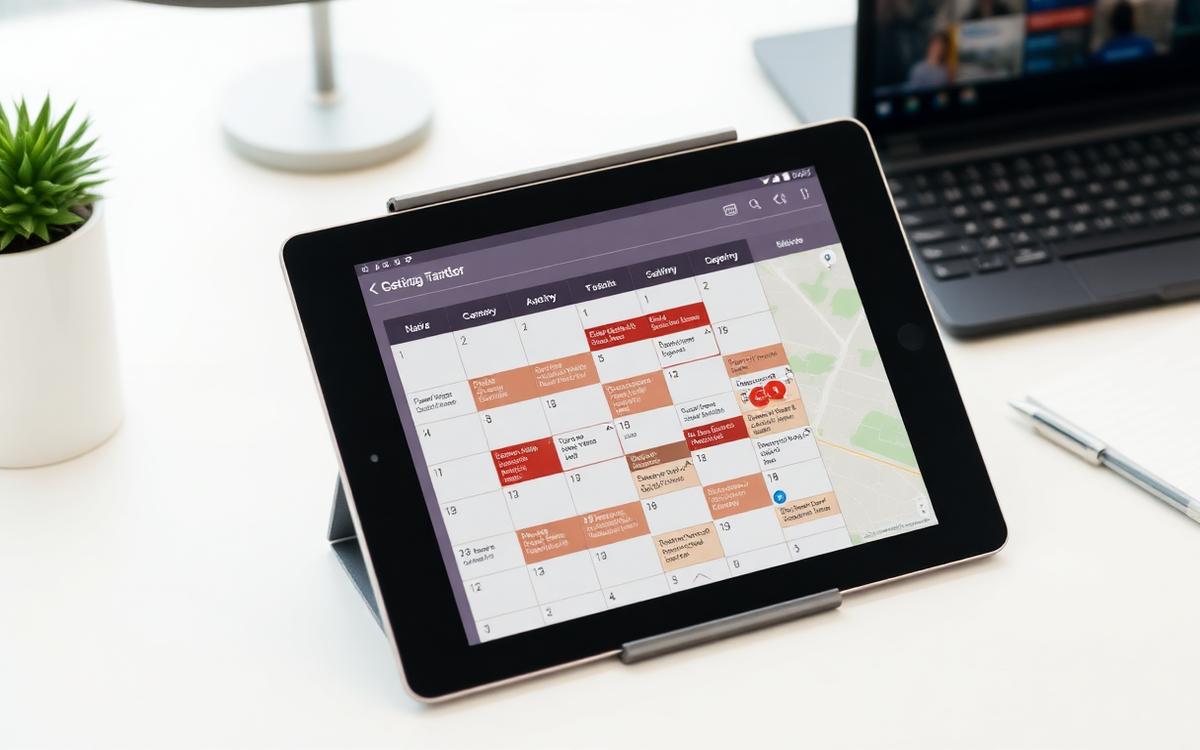
AI-Assisted Scheduling Engine A dynamic scheduling system was implemented to assign jobs based on technician availability, proximity, and workload. This reduced manual coordination and improved route efficiency.
Centralized CRM Dashboard A unified platform was created to manage customers, job history, service records, and estimates. This eliminated data fragmentation and improved internal coordination.
Real-Time Notifications & Communication Automated notifications were introduced to keep both technicians and customers informed. This included appointment confirmations, updates, and reminders via email and SMS.
Operational Performance Dashboard Custom dashboards were developed to provide visibility into key business metrics, including job volume, response time, technician utilization, and revenue trends.
Cloud Infrastructure & Scalability The entire system was deployed on a scalable cloud environment, ensuring reliability, security, and the ability to handle future growth without system limitations.
## Quantifiable Impact
- 35% increase in booked service jobs
- 70% reduction in manual scheduling workload
- 50% faster customer response time
- 20% improvement in technician utilization and route efficiency
- 85% reduction in missed or delayed service requests
- Frontend: Next.js
- Backend: .NET API
- Platform: TMX (CRM engine, role management, data layer)
- Cloud: Microsoft Azure
- Database: Azure SQL
- AI & Automation: Azure OpenAI (intelligent scheduling recommendations), custom decision logic workflows
- Workflow Orchestration: N8N (multi-step job lifecycle automation, trigger-based notifications)
- Communication: Twilio (SMS), SendGrid (email)
- Integrations: Google Calendar sync, QuickBooks (invoicing)
Ready to Modernize Your Business?
Let's talk about where technology can move the needle first.