

Enrollment & Admissions Automation That Replaced a Paper-Heavy Process Losing Applicants at Every Step
The school transformed a paper-heavy, friction-filled admissions process into a streamlined digital pipeline that recovered hundreds of applicants who would have otherwise been lost to dropout and delay. By automating the manual work that had been overwhelming the admissions team — document collection, completeness scoring, decision tracking, and multi-channel follow-up — the school raised its application completion rate and gave every prospective student a faster, more professional experience from first inquiry to enrolled seat. The admissions team shifted from data entry and phone tag to strategic enrollment management, supported by funnel analytics that made conversion drop-off visible and addressable for the first time.
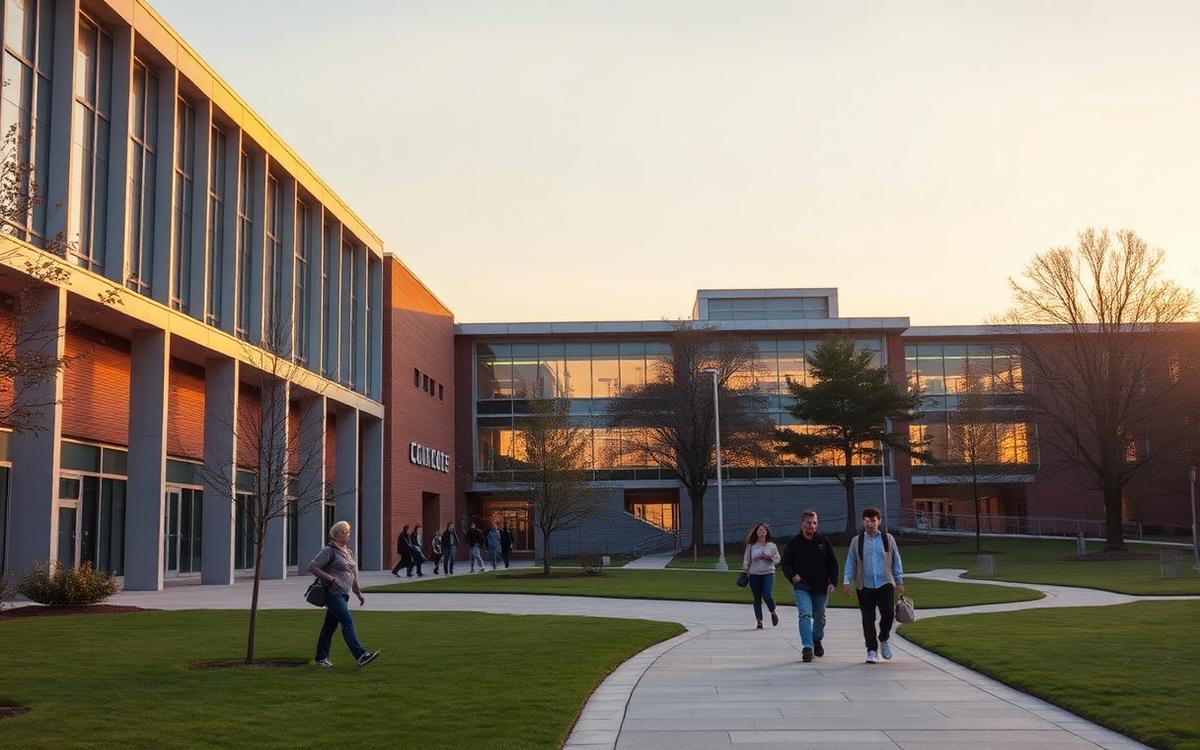
A vocational school specializing in healthcare certifications — nursing assistant, medical billing, phlebotomy, and pharmacy technician programs — was processing over 2,000 applications per year with a largely manual admissions workflow. Despite strong market demand and a growing reputation, the school's application completion rate had plateaued at 60%, meaning that roughly 800 prospective students abandoned the process before finishing. The 30-person staff was overwhelmed by paper documents, manual data entry, and communication gaps that created friction at every stage of the enrollment funnel.
JSG was engaged to build a digital admissions pipeline that would automate application processing, document collection, decision tracking, and communication sequences — converting more applicants into enrolled students while eliminating the manual work that was consuming the admissions team.
Client: A vocational/trade school (healthcare certifications)
Employee Size: 30 employees
Industry: Higher Education
Services: - Custom Software Development - AI Automation & Workflow Design - Process Optimization - Systems Integration
The school had been in operation for eight years and had built a solid reputation for its healthcare certification programs, but its admissions infrastructure had not kept pace with demand. What started as a manageable paper-based process when the school enrolled 400 students per year had become a significant bottleneck at 2,000+ applications.
First, the application itself was a friction-heavy experience. Prospective students filled out a paper application or a basic PDF form that had to be printed, signed, scanned, and emailed back. Required supporting documents — high school transcripts, immunization records, background check authorizations, and program-specific prerequisites — were collected separately via email, fax, or in-person drop-off. The admissions team manually tracked which documents had been received for each applicant using a shared spreadsheet. When documents were missing, staff called or emailed applicants individually. The result was a process that required an average of 14 business days from initial application to completed file — and 40% of applicants dropped off during that window.
Second, communication with applicants was inconsistent and reactive. There was no automated system for confirming application receipt, providing status updates, or reminding applicants of missing documents. Prospective students frequently called the admissions office to ask about their application status, consuming staff time and creating frustration on both sides. The school had no visibility into where applicants were abandoning the process or why.
Third, admissions decisions were tracked in yet another spreadsheet, separate from the document tracking spreadsheet and the school's Student Information System. Once an applicant was accepted, their information had to be manually re-entered into the SIS — a process that took an average of 12 minutes per student and was prone to errors. Name misspellings, incorrect program codes, and missing contact information flowed downstream into registration and financial aid, creating cascading data quality problems.
Fourth, the enrollment yield — the percentage of accepted students who actually enrolled and began classes — had declined from 72% to 64% over two years. The admissions team suspected that slow communication and a lack of follow-through after acceptance were contributing factors, but they had no data to confirm this and no bandwidth to implement a structured nurturing process.
The school needed a system that would: - Digitize the entire application and document collection process - Automate status communication with applicants at every stage - Eliminate redundant data entry between admissions and the SIS - Provide visibility into funnel drop-off points - Improve enrollment yield through structured post-acceptance follow-up
JSG designed and deployed a digital admissions pipeline orchestrated through N8N workflows, with AI-assisted application management, automated communication sequences, and direct integration with the school's SIS and payment processor.
Key Components
Digital Application Pipeline The paper application was replaced with a structured online form that captured all required information in a single session. The form was mobile-optimized and included conditional logic to show only the fields relevant to each applicant's selected program. Supporting document uploads were integrated directly into the application flow, allowing applicants to submit transcripts, immunization records, and other materials as photos or scans from their phones.
AI-Powered Application Completeness Scoring Azure OpenAI was integrated to assess each application in real time, scoring its completeness and flagging missing or potentially invalid documents. The system could distinguish between a clear transcript photo and an unreadable image, prompting the applicant to resubmit before the admissions team ever had to review the file. This reduced the back-and-forth that had been the primary source of application delays.
Automated Communication Sequences N8N workflows powered a multi-channel communication engine that kept applicants informed at every stage. Application receipt confirmations, missing document reminders, decision notifications, enrollment instructions, and orientation details were all automated. Azure OpenAI generated personalized nudge messages based on the applicant's program, progress through the pipeline, and time since last activity. Twilio handled SMS delivery for time-sensitive updates, while email covered detailed instructions and document requests.
Decision Tracking & Workflow Admissions decisions were managed within the platform, with structured review queues, decision recording, and automatic triggering of acceptance or denial communication sequences. The admissions director could see the full pipeline at a glance — applications in progress, files under review, decisions pending, and accepted students awaiting enrollment — with the ability to drill into any individual record.
SIS Integration & Payment Sync Zapier connectors synchronized accepted student records directly into the school's SIS, eliminating the manual re-entry process entirely. Student name, contact information, program selection, and document status flowed automatically. A separate Zapier workflow connected the enrollment deposit payment processor to the student record, marking enrollment as confirmed upon receipt of payment.
Funnel Analytics Dashboard A reporting layer was built to track conversion rates at every stage of the admissions funnel — from initial inquiry to completed application, from completed application to accepted, and from accepted to enrolled. Drop-off points were highlighted, and the admissions team could see which communication sequences were most effective at re-engaging stalled applicants.
## Quantifiable Impact
- Application processing time reduced from 14 business days to 5.5 business days — a 60% improvement
- Application completion rate improved from 60% to 81%, recovering approximately 420 additional completed applications per year
- Enrollment yield increased from 64% to 74%, adding an estimated 130 additional enrolled students per year
- Manual data entry between admissions and SIS eliminated entirely — saving approximately 400 hours of staff time per year
- Admissions office phone inquiries about application status reduced by 55%
- SMS-based nudge messages achieved a 38% re-engagement rate among stalled applicants
- Frontend: Next.js (applicant-facing forms and portal)
- Backend: .NET API
- Cloud: Microsoft Azure
- Database: Azure SQL
- AI & Automation: Azure OpenAI (application completeness scoring, personalized nudge messaging)
- Workflow Orchestration: N8N (application workflow orchestration, document collection reminders, decision notification chains, post-acceptance follow-up sequences)
- Integration: Zapier (SIS integration, payment processor sync)
- Communication: Twilio (SMS application status updates, nudge messages), SendGrid (email sequences)
- Analytics: Power BI (admissions funnel dashboard, conversion rate tracking)
Ready to Modernize Your Business?
Let's talk about where technology can move the needle first.