

AI-Powered Scheduling System That Tackled the No-Show Problem Costing a Behavioral Health Practice Thousands Monthly
The practice transformed its approach to no-shows from a reactive problem they had accepted as inevitable into a managed, data-driven system that predicted risk, intervened proactively, and recovered revenue from every possible cancelled slot. AI-powered risk scoring, optimized multi-channel reminders, and an automated waitlist that filled open appointments in under three minutes combined to drive the no-show rate down from 28% toward the industry average — directly recovering tens of thousands of dollars in previously lost monthly revenue. For the first time, practice leadership had granular scheduling analytics to guide staffing, provider matching, and capacity decisions rather than relying on overbooking as a blunt instrument.
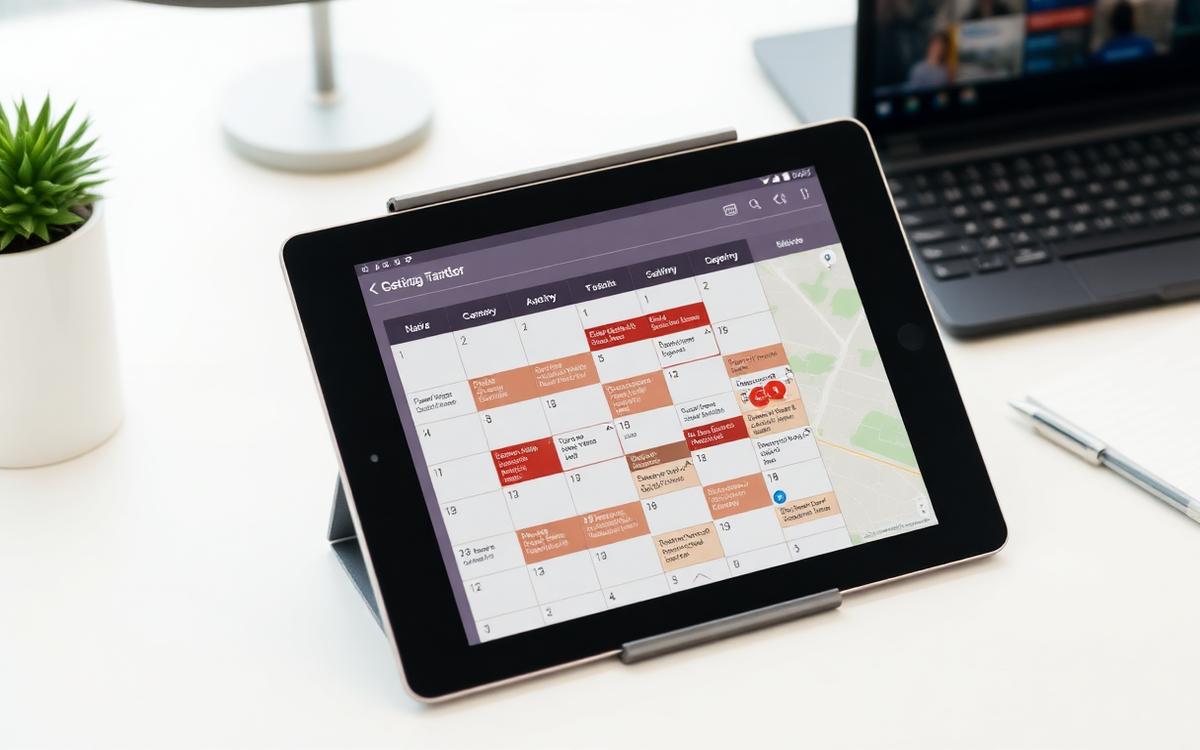
A behavioral health practice with 12 providers and 22 total employees was losing an estimated $47,000 per month to patient no-shows. The practice offered psychiatric evaluations, medication management, individual therapy, and group therapy sessions, managing over 600 appointments per week across its provider roster. Their no-show rate had climbed to 28% -- nearly double the healthcare industry average -- and the financial and clinical impact was severe. Empty appointment slots couldn't be recovered, providers sat idle during gaps, and patients who missed appointments experienced interruptions in care that often led to crisis episodes.
The practice had attempted standard interventions: appointment reminder calls, a cancellation policy with fees, and overbooking to compensate for expected no-shows. None had produced meaningful improvement. The reminder calls were made by front-desk staff who were already overwhelmed with intake and scheduling duties, so calls were inconsistent in timing and frequency. The cancellation fee policy was rarely enforced because staff felt uncomfortable charging patients who were already struggling. Overbooking created its own problems -- on days when most patients actually showed up, providers ran behind, wait times ballooned, and patient satisfaction suffered.
JSG was engaged to design and deploy an AI-powered scheduling system that would predict no-show risk at the individual appointment level, optimize reminder timing and channel, automate waitlist management to fill cancelled slots, and match patients to providers based on clinical and scheduling preferences.
Client: Behavioral health practice offering psychiatric evaluations, medication management, individual therapy, and group therapy. Twelve providers including psychiatrists, psychologists, and licensed clinical social workers. Operating for five years with strong clinical reputation but persistent operational challenges.
Employee Size: 22 employees
Industry: Healthcare
Services: - AI-Powered Scheduling & No-Show Prediction - Automated Patient Reminder System - Waitlist Management & Slot Optimization - Provider Preference Matching
The no-show problem in behavioral health is structurally different from other medical specialties, and the practice's failed attempts at standard solutions reflected a misunderstanding of the underlying dynamics. Behavioral health patients face unique barriers to appointment adherence -- stigma, symptom-driven avoidance, medication side effects, transportation challenges, and fluctuating motivation -- that generic reminder calls and cancellation fees do not address.
First, the practice had no ability to differentiate high-risk appointments from low-risk ones. Every appointment was treated identically in the reminder process, meaning that a highly reliable patient with a years-long weekly therapy routine received the same single reminder call as a new patient with a history of missed appointments and a diagnosis associated with high no-show rates. The one-size-fits-all approach wasted staff time on patients who were going to show up regardless while providing insufficient outreach to those most likely to miss.
Second, reminder timing and channel were mismatched to patient needs. The front-desk staff made reminder calls between 2:00 and 4:00 PM the business day before the appointment. For patients with Monday morning appointments, that meant a Friday afternoon call -- 60-plus hours before the appointment. Research and the practice's own data showed that the most effective reminder window for behavioral health was 2 to 4 hours before the appointment, but staff had no capacity to make same-day calls for 120-plus daily appointments. Additionally, many behavioral health patients preferred text-based communication over phone calls due to stigma concerns, but the practice had no automated text capability.
Third, cancelled and no-show slots were almost never filled. When a patient cancelled, the front-desk staff added the slot to a paper waitlist and occasionally called one or two patients to offer the opening. In practice, the waitlist was used less than 20% of the time due to staff workload, and when it was used, the manual phone-call process was too slow -- by the time staff reached a waitlist patient and confirmed availability, the slot had often passed. The practice estimated that fewer than 5% of cancelled or no-showed slots were successfully filled with waitlist patients.
Fourth, provider-patient matching was done by intuition rather than data. When new patients called to schedule, the front desk assigned them to whichever provider had the next available slot, without considering clinical fit, specialty alignment, or scheduling pattern compatibility. This led to higher dropout rates for new patients, as mismatched provider assignments contributed to early disengagement. The practice's own data showed that patients who saw a provider matched to their primary diagnosis had a 23% higher retention rate at 90 days than those assigned by availability alone.
The practice needed:
- AI-powered no-show risk prediction at the individual appointment level
- Automated, multi-channel reminders with timing optimized per patient
- A real-time waitlist system that automatically offered cancelled slots to appropriate patients
- Provider-patient matching that considered clinical fit and scheduling compatibility
- Analytics showing no-show patterns, fill rates, and provider utilization
JSG designed and deployed an AI-powered scheduling system that replaced the practice's reactive, manual approach to no-shows with a predictive, automated workflow that identified at-risk appointments before they were missed and filled cancelled slots before they went empty.
Key Components
AI No-Show Risk Prediction Azure OpenAI was trained on 18 months of the practice's historical appointment data -- attendance patterns, diagnosis codes, time-of-day trends, day-of-week patterns, weather correlations, provider-specific rates, and patient demographic factors -- to generate a no-show risk score for every scheduled appointment. High-risk appointments (scores above 70%) triggered enhanced outreach sequences, while low-risk appointments received standard reminders. The model updated continuously as new attendance data was captured, improving accuracy over time.
Optimized Multi-Channel Reminder System N8N workflows orchestrated personalized reminder sequences for every appointment based on the patient's preferred communication channel and the AI-determined optimal timing. Patients received SMS reminders via Twilio at the window most likely to drive confirmation -- typically 24 hours and again 2 to 3 hours before the appointment for standard-risk patients, with additional touchpoints at 72 hours and 48 hours for high-risk appointments. Patients who preferred voice received automated Twilio calls with a one-press confirmation option. Every reminder included a one-tap option to confirm, reschedule, or cancel, feeding responses back into the system in real time.
Automated Waitlist Management When a cancellation occurred or a no-show was detected, the system immediately identified eligible waitlist patients based on provider match, appointment type, time preference, and geographic proximity. Eligible patients received an automated SMS offering the slot, with a one-tap claim mechanism. The first patient to confirm received the appointment, and the slot was removed from availability. N8N workflows managed the entire sequence -- from cancellation detection to waitlist notification to booking confirmation -- in under 3 minutes.
Provider Preference Matching A matching algorithm considered clinical factors (primary diagnosis, treatment modality, specialty requirements), scheduling factors (patient's preferred time windows, provider's available slots), and historical performance data (retention rates by provider-patient pairing type) to recommend optimal provider assignments for new patients. Front-desk staff received a ranked list of recommended providers for each new patient rather than defaulting to next-available, and the system tracked 90-day retention rates to refine its matching recommendations.
Scheduling Analytics Dashboard Zapier integrations synced scheduling data to an analytics dashboard that provided practice leadership with real-time visibility into no-show rates by provider, day of week, time of day, appointment type, and patient risk tier. The dashboard tracked fill rates for cancelled slots, waitlist conversion rates, and provider utilization percentages, giving the practice data-driven insight into scheduling efficiency for the first time.
Calendar and EHR Synchronization Zapier workflows maintained bidirectional sync between the scheduling system, each provider's calendar, and the practice's EHR. Appointment changes, cancellations, and no-show flags propagated across all systems within seconds, ensuring that providers, front-desk staff, and billing all worked from the same real-time schedule.
## Quantifiable Impact
- No-show rate reduced from 28% to 17.4%, a 38% reduction
- Revenue recovered: approximately $19,600 per month in previously lost appointment revenue
- Waitlist fill rate for cancelled slots increased from under 5% to 41%
- Provider utilization increased from 68% to 81% of available appointment hours
- New patient 90-day retention improved by 16% through provider matching optimization
- Frontend: React (scheduling interface, analytics dashboard)
- Backend: Node.js with Express
- Cloud: Microsoft Azure
- Database: Azure SQL
- AI & Automation: Azure OpenAI (no-show risk prediction model, optimal reminder timing, provider-patient matching algorithm)
- Workflow Orchestration: N8N (reminder sequences, waitlist management automation, cancellation detection, slot-filling workflows)
- Communication: Twilio (SMS and voice reminders, waitlist notifications, confirmation capture)
- Integration Layer: Zapier (calendar sync across providers, EHR appointment status sync, analytics data pipeline)
- Integrations: Practice EHR system, Google Calendar and Outlook Calendar APIs, billing system
Ready to Modernize Your Business?
Let's talk about where technology can move the needle first.