

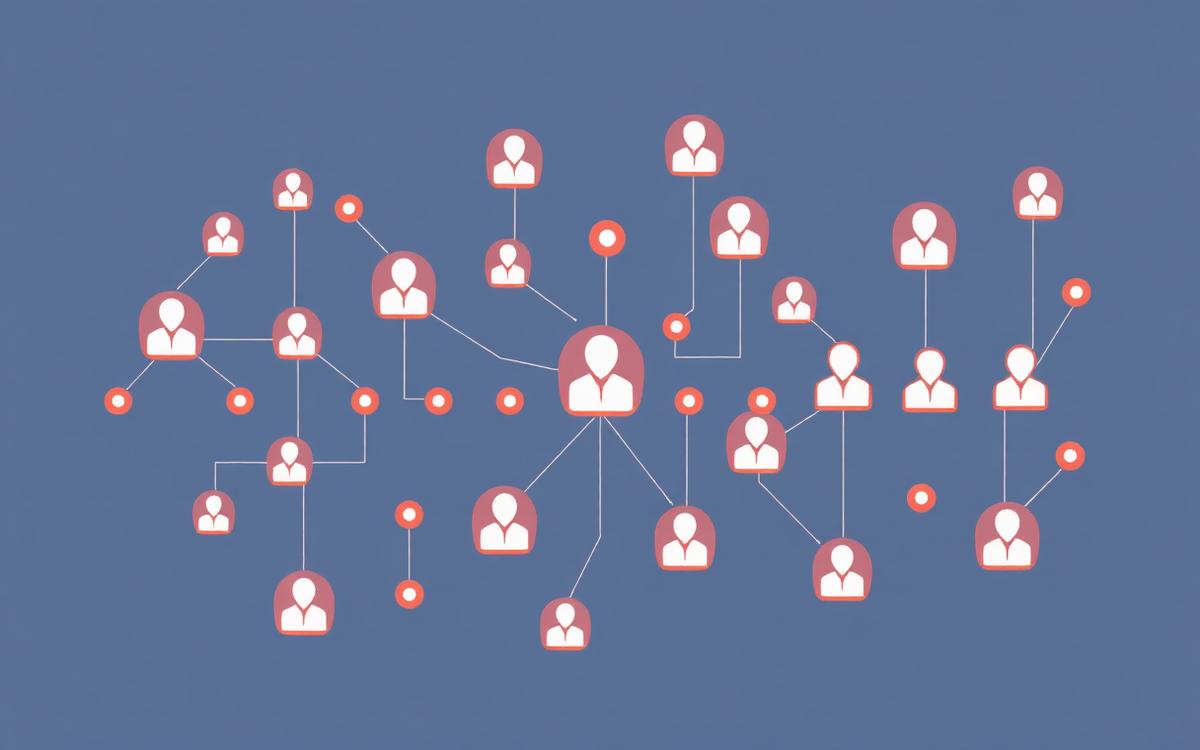
A CRM is not just for enterprise companies. For small businesses, the right CRM system transforms customer tracking, follow-ups, pipeline management, and revenue visibility from chaos into clarity.
Introduction
If someone asked you right now how many active leads your business has, how many customers you served last month, and which ones are overdue for a follow-up, could you answer confidently? Most small business owners cannot. Not because they do not care, but because the information lives in too many places -- sticky notes, email inboxes, spreadsheets, text messages, and memory.
A CRM (Customer Relationship Management) system solves this by putting every customer interaction, every lead, every job, and every follow-up in one place. It sounds simple because it is. But the impact on a small business is anything but simple -- it is transformational.
The misconception that holds many small businesses back is that CRMs are expensive, complicated tools built for enterprise sales teams. That used to be true. It is not anymore. Today, CRM systems designed for small and service-based businesses are accessible, affordable, and specifically built for how you actually operate.
The Problem
Small businesses lose customers, revenue, and growth opportunities every day because they do not have a system to manage relationships consistently.
- What is happening: In a typical small service business, customer information is scattered. The owner knows some clients by memory. The office manager has a spreadsheet with some contact info. Job history lives in an old invoicing tool. Follow-ups depend on someone remembering to make a call. New leads come in through the phone, the website, and email -- and there is no single place where they are tracked or managed.
- Why it matters: When customer data is fragmented, things fall through the cracks. Leads go unfollowed. Repeat customers are not contacted for seasonal services. Estimates are sent but never tracked. Revenue is lost not because the business did bad work, but because nobody stayed in touch. A study by Harvard Business Review found that increasing customer retention by just 5% can increase profits by 25-95%. For most small businesses, the lowest-hanging fruit is not finding new customers -- it is not losing the ones they already have.
- Who it affects: Service businesses of every size, but especially those with 5 to 50 employees. These are companies large enough to have real operational complexity but small enough that they often rely on informal systems to manage it. HVAC companies, plumbing contractors, electrical firms, cleaning services, landscaping companies, consulting firms -- any business where customer relationships drive revenue.
The danger of operating without a CRM is that you do not realize what you are missing. You cannot see the leads that went cold because nobody followed up. You cannot measure the repeat business you lost because you never sent a reminder. The loss is invisible until a competitor captures the customer you forgot about.
The Solution
A CRM system is the operational backbone of a customer-centric business. It does not replace your team -- it makes your team dramatically more effective by ensuring that no customer, lead, or opportunity is ever lost.
Key Points
- Every Customer and Lead in One Place A CRM centralizes all customer data -- contact information, service history, estimates, job records, communication logs, and notes. When a customer calls, anyone on your team can pull up their full history in seconds. When a new lead comes in, it is captured and tracked from first contact to closed job. No more scattered spreadsheets or relying on one person's memory.
- Automated Follow-Ups That Drive Repeat Business The most powerful feature of a CRM for service businesses is automated follow-up. After a job is completed, the system can automatically send thank-you messages, request reviews, and schedule reminders for future maintenance. JSG implemented this for a family-owned HVAC company and saw repeat bookings increase by 40%, with customer lifetime value growing 2.5x. The business went from 12% repeat revenue to 30% without any additional manual effort.
- Pipeline Visibility and Revenue Tracking A CRM shows you exactly where every lead and job stands in your pipeline. How many estimates are outstanding? How many jobs are scheduled? What is your conversion rate from lead to booked work? This visibility allows you to forecast revenue, identify bottlenecks, and make decisions based on data instead of hope.
- Affordable Alternatives to Enterprise Platforms You do not need Salesforce to run a CRM. JSG's TMX platform provides CRM functionality specifically designed for small and mid-sized businesses -- customer management, job tracking, automated workflows, and reporting -- without the complexity and cost of enterprise tools. It is built on the same cloud infrastructure (Microsoft Azure) used by large organizations but tailored for businesses that need power without overhead.
In Practice
JSG built a CRM and automation platform for a mid-sized HVAC company with 8-15 employees that was experiencing rapid growth but lacked the systems to support it. Customer intake was manual, job history was fragmented across tools, and there was no centralized view of operations.
JSG implemented a custom CRM on the TMX platform that included smart intake, AI-assisted scheduling, centralized customer and job management, automated notifications, and performance dashboards. The system captured every customer interaction and automated the follow-up process from first contact through post-service engagement.
The impact was substantial: a 35% increase in booked service jobs, a 70% reduction in manual scheduling workload, and 50% faster response times to customer inquiries. Leadership gained real-time visibility into pipeline health, technician performance, and revenue trends for the first time.
Separately, JSG worked with a family-owned plumbing company to digitize 20 years of customer records -- from paper invoices and an outdated QuickBooks file -- into a centralized CRM. The system reactivated over 1,200 dormant customer records, and 38% of those reactivated customers booked a service within the first campaign cycle. Recurring revenue grew by 55% within eight months.
Benefits
- No more lost leads or forgotten follow-ups -- Every customer interaction is tracked and every follow-up is automated, ensuring nothing falls through the cracks.
- Predictable, growing repeat revenue -- Automated engagement turns one-time customers into long-term relationships, reducing dependency on constant new customer acquisition.
- Full visibility into business performance -- See your pipeline, conversion rates, revenue by service type, and customer engagement metrics in real time.
- Operational consistency across your team -- Everyone works from the same system with the same data, eliminating the chaos of fragmented tools and tribal knowledge.
Tools & Technologies
- TMX Platform (JSG) -- A CRM and operations platform built for small and mid-sized businesses, providing customer management, job tracking, automation, and reporting on Microsoft Azure infrastructure.
- Azure OpenAI -- Powers intelligent features within the CRM including customer segmentation, churn prediction, and personalized communication.
- Twilio / SendGrid -- Enable automated SMS and email communication for follow-ups, appointment reminders, and review requests.
Ready to get started?
If you are still managing customer relationships through spreadsheets, memory, and good intentions, you are leaving money on the table. A CRM is not a luxury for small businesses -- it is the system that turns good service into sustainable growth.
JSG builds CRM systems designed specifically for service businesses. Whether you need a full platform or want to enhance what you already have, we will design a solution that fits how your business operates.
Book a free 30-minute consultation to discuss what a CRM could do for your business. Call (240) 725-4925 or visit jsg.com.